

CEREBRAL PALSY ALLIANCE
Speaking a New Language: Bringing My Voice Library to Italy
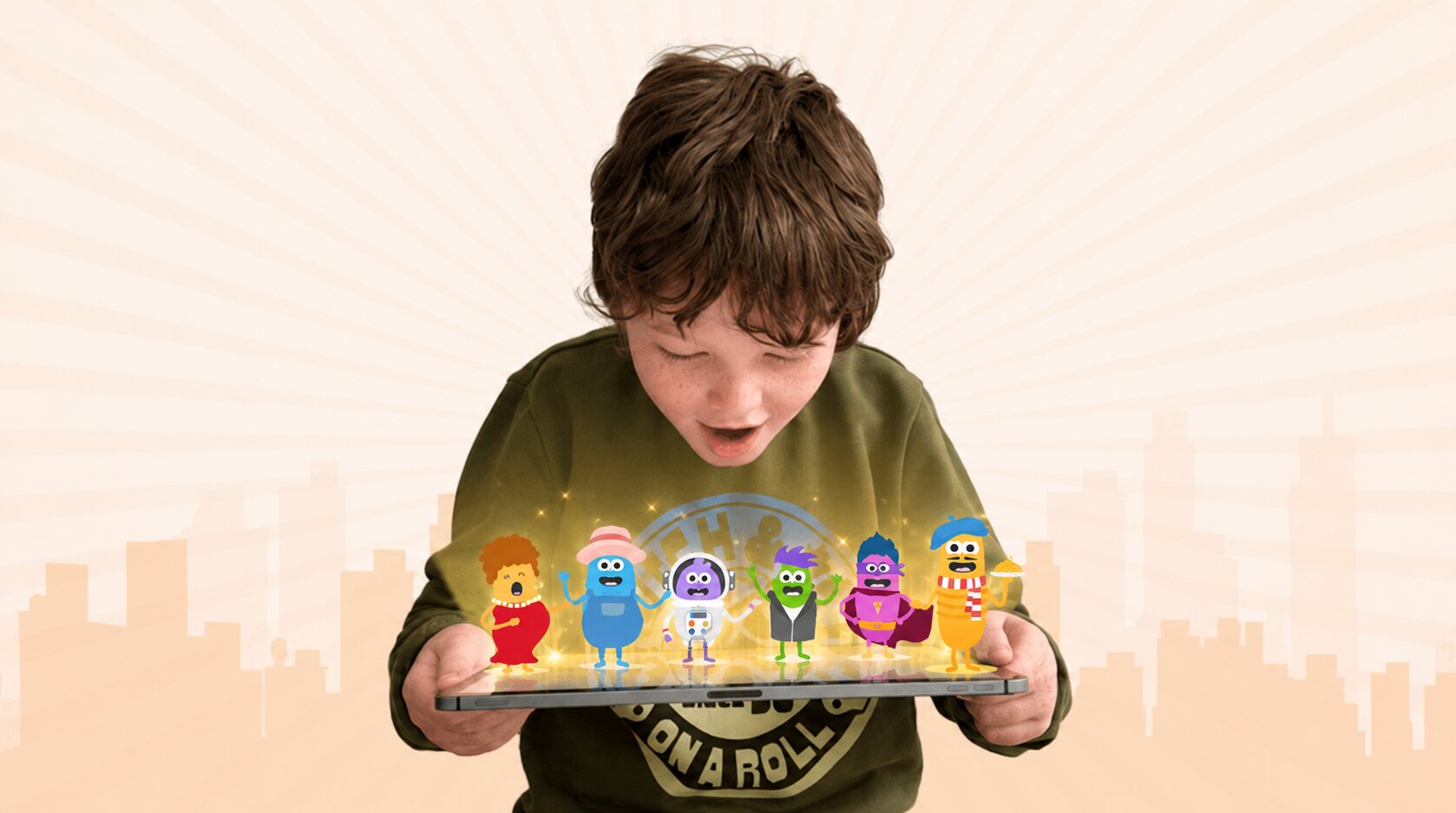
A New Language for Assistive Tech Research
Kablamo extended My Voice Library, the world-first platform it built for Cerebral Palsy Alliance, to support Italian, opening its dysarthric voice-data research to a new population and delivering two weeks ahead of an already tight schedule.
The Challenge
One in two children with cerebral palsy find speech difficult or impossible, a condition known as dysarthria. My Voice Library, which Kablamo originally designed and built with CPA in 2023, was developed to close a data gap that has historically held back assistive technology for these children: There simply hasn't been enough dysarthric voice and lip-movement data available for researchers to work with Dysarthria is a global condition, not one confined to English speakers, limiting the reach of any English-only research dataset CPA needed the platform extended to Italian to open the door for researchers in Italy to begin building a dataset of their own, not as a one-off translation job but as a durable foundation for future languages. The upgrade had to preserve strict data sovereignty, with voice and lip-movement recordings uploading directly from a user's device to region-specific storage kept isolated per country and researcher, never routed through CPA's own infrastructure. And CPA needed more than a one-off fix for Italian: they needed a foundation flexible enough that the next language wouldn't mean rebuilding the platform again.
The Approach
Kablamo brought product design, DevOps, and front and back-end engineering to the upgrade, working closely with a CPA-nominated product owner and with families, researchers, and users involved in co-design and validation throughout. Region-specific cloud storage was configured with cross-account access, so the platform can write a researcher's data into their own region, such as Milan for Italian users, without ever being able to read it back out, keeping every region's data isolated and compliant with local privacy requirements. Claude Code carried the bulk of the multilingual refactor, working systematically through the existing codebase to build in language switching and region-aware data handling while keeping regression risk low. Alongside that core rebuild, it resolved existing bugs, added support for multiple recordings per sound to ease listener fatigue on repeated prompts, and helped the team evaluate speech-to-text options to find the best fit for Italian voice data.
The Results
The engagement was scoped as eight weeks. The team delivered every planned engineering requirement in six, and reinvested the two weeks back into the platform rather than closing the project early: extra UX polish, a more thorough testing pass, and stronger technical documentation than the original schedule would typically have allowed. The multilingual framework built during this upgrade means future language rollouts, aside from right-to-left scripts, should be faster and lower-risk than this one, work Kablamo delivered without trading away quality or testing rigour to hit the timeline.
Looking Forward
My Voice Library's Italian rollout is a step toward a platform that can support researchers in any language, giving more children with cerebral palsy a voice in the assistive technology built for them. As the multilingual framework extends to future languages, the dataset it feeds should grow faster with each addition, accelerating research that has, until now, been held back by a lack of quality data.

.png)





.jpg)