

CAPE YORK PARTNERSHIP
Rethinking Digital Access

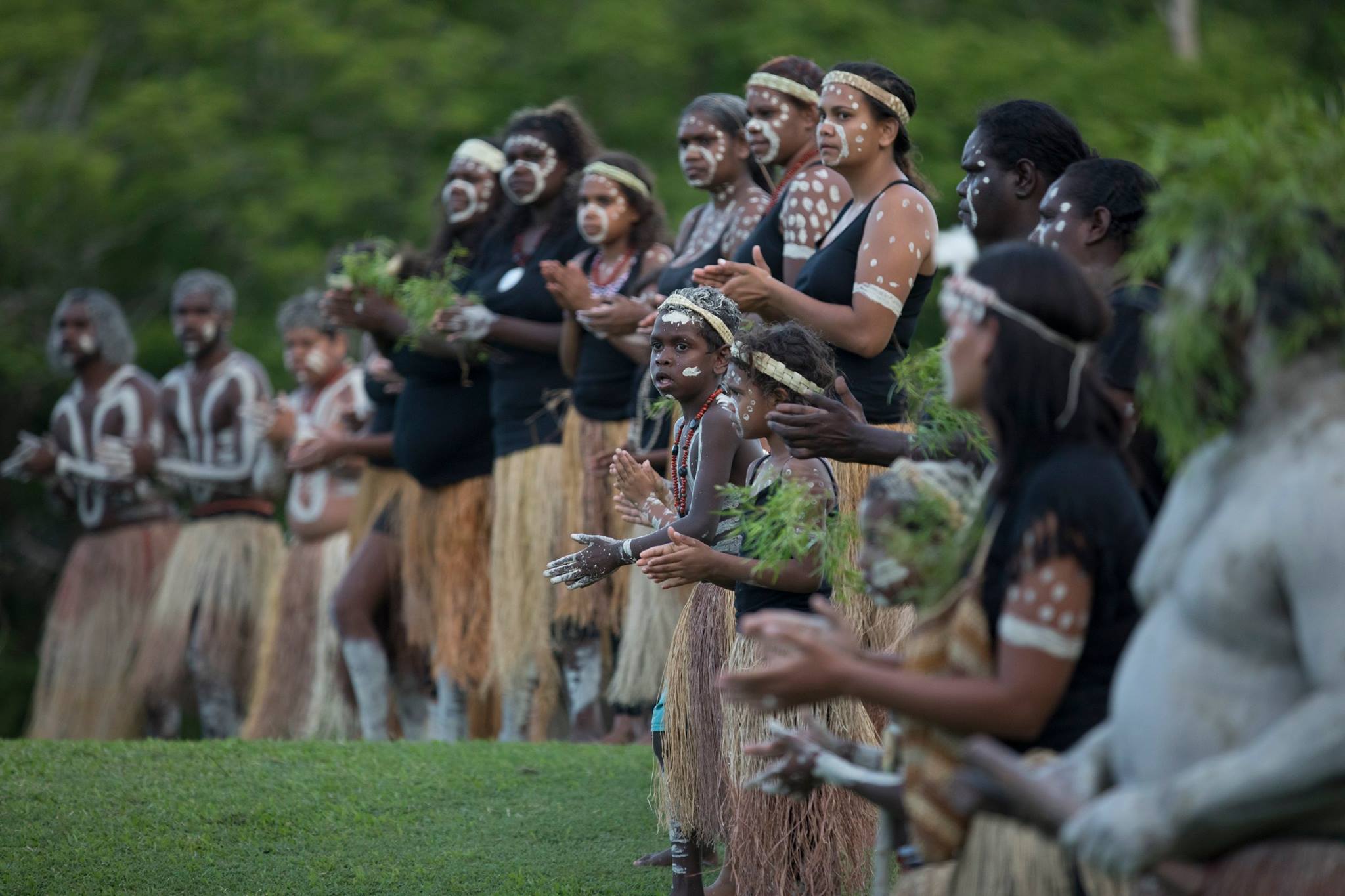
Digital Services for Remote Indigenous Communities
Kablamo built the Pama Platform for Cape York Partnership, delivering 14 comprehensive features across 250+ UI screens in six months. The platform serves 250+ daily users in some of the most remote communities in Australia, providing culturally appropriate access to government and social services.
“To enable members of the Cape York Indigenous community to have control and responsibility of their own lives.”
Cape York Partnership, Mission Statement
The Challenge
Cape York Partnership (CYP) is an Indigenous organisation established to enable Cape York's Indigenous people. In 2005, CYP developed the Cape York Agenda, a framework for enabling Indigenous community members to have control and responsibility of their own lives without welfare reliance. All CYP initiatives are co-designed with the people of Cape York so they can lead the changes that will make a difference to them.
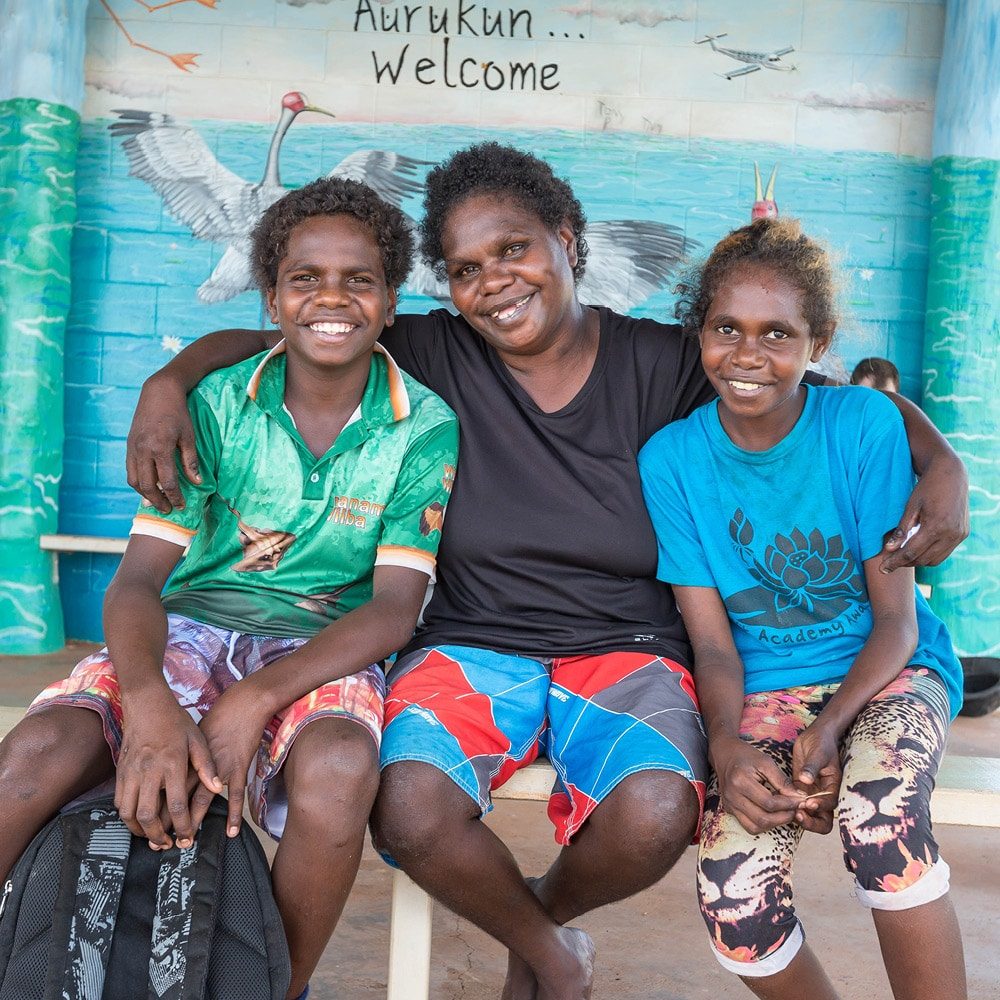
Many financial and community services are migrating to online platforms, so it's vital that people with lower digital literacy are not excluded. CYP approached Kablamo in late 2020 to build Pama, an Australian-first digital platform spanning five domains: money management, education, health, home ownership, and employment.
"Pama", which translates to "my people", aims to transform the lives of Indigenous Australians. The platform needed to resolve four core problems. First, effective community communication: CYP needed a comprehensive and accurate user database for mass and individual contact across remote communities. Second, access to education tools: the organisation's existing MPower money management resources needed to be digitalised and made available online. Third, financial management: users needed an online portal to access and manage their trust and opportunity accounts, with budgeting guardrails built in. Fourth, document consolidation: community members frequently lost certificates and proof of identity when applying for jobs, creating repeated barriers to employment.
The design challenges were equally complex. Many users had low tech proficiency, and some had limited literacy. Devices ranged from basic supermarket phones to the latest iPhones, and bandwidth in remote Cape York was severely constrained. On top of this, the Kablamo team was based in Sydney while stakeholders were in Cape York, and Coronavirus border closures made in-person workshops impossible throughout the project.
The Approach
The team tackled the low-literacy challenge by leveraging familiar social media patterns, drawing on Instagram-like interactions that users already understood. Extra attention was given to the language used throughout the platform. Default text sizes were boosted, and a vibrant high-contrast colour palette was applied that met AA accessibility compliance. The goal was to reduce cognitive load and reward intuition.
To handle device diversity, the design language relied on negative space and chunky field padding to deliver a consistent experience regardless of screen size or device capability. For bandwidth constraints in remote Cape York, step flows replaced long single-page forms, minimising content per page load and creating a sense of progress for users on slow connections.
With the Sydney team unable to travel to Cape York, weekly online design catch-ups and co-creation sessions ran over Zoom. Figma prototyping enabled remote user testing, with CYP staff in Cape York facilitating sessions with community members.
Kablamo invested time creating a comprehensive toolkit and style guide at the start of the project. Core atoms and molecules were designed and developed in Figma and Storybook, forming the backbone for all interface design and development. This Flat 2.0 Design approach, favouring simple, flat interfaces, enabled the team to produce 14 comprehensive features across 250+ UI screens in six months. The toolkit was built to bootstrap into a full design system for future phases.
The platform was built on a serverless event-driven architecture using a managed relational database with schema versioning for easy updates, AWS Lambda and SQS queues for serverless processing, AWS CodeBuild and CodePipeline for fully automated builds and deployment, and AWS S3, EC2, CloudWatch and QuickSight for storage, compute, monitoring and analytics. Secure third-party banking integration was handled via SQS and Lambda.
The Results
The team delivered an MVP from scratch in under four months, followed by additional refinement informed by ongoing co-creation sessions with the community. The iterative approach meant each release incorporated direct feedback from the people who would use the platform daily. Pama now serves over 250 Indigenous Australians daily across both mobile and desktop. Feedback from community members during the co-creation sessions directly shaped the final design of each feature, ensuring the platform reflected how people actually use their devices in remote settings.
The 14 features built include a digital calendar, community noticeboard, services providers address book, in-context education about payday loans, unnecessary insurance and humbugging, a step-flow budgeting tool based on MPower resources, a resume builder with auto-attached certifications and achievements, and trust and opportunity account management.
Looking Forward
Pama has become an extension of the community itself, delivering alerts about medical services, food delivery, and community events alongside its financial tools. The platform provides guardrails that enable spending in a thoughtful way while enabling users to take control of their financial futures. It pioneered a way to educate and enable users in financial management with safeguards built in.
Based on the platform's success, CYP is developing plans to expand Pama nationally, extending access to Indigenous communities beyond Cape York. The platform architecture is designed for this kind of expansion. Kablamo continues to provide ongoing Product Care for the platform.